
Managing a Billionaire Family's Non-Return Holdings: A Conversation with Felicia Andjel of the Mittal Family Office
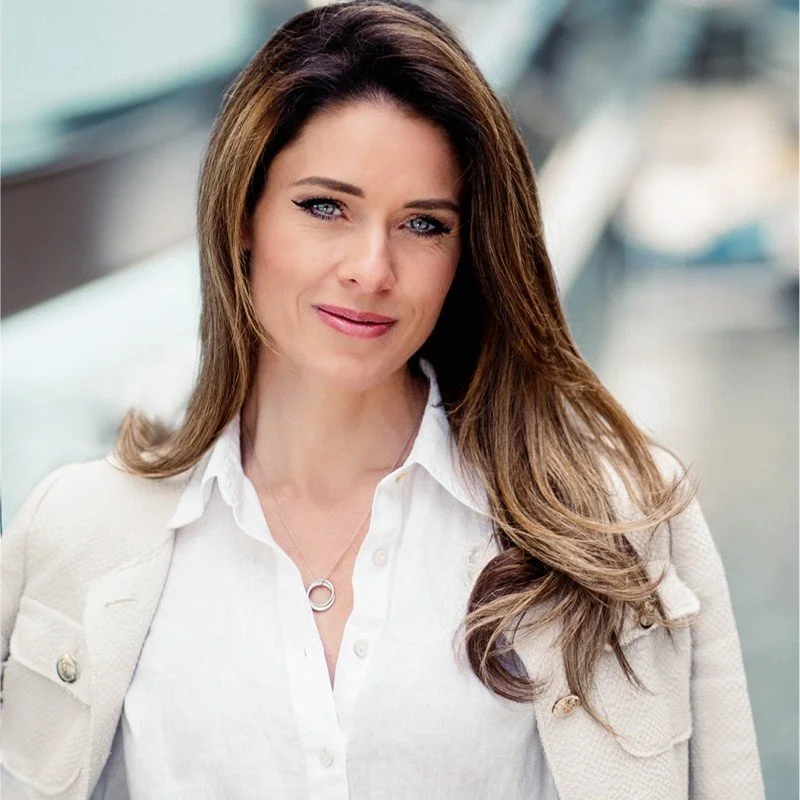
Felicia Andjel, Mittal Family Office
Episode 2 of the AYU Family Office Podcast
Most conversations about family offices focus on investment portfolios allocations, returns, manager selection. Episode 2 of the AYU Family Office Podcast goes somewhere different. Gus Morison speaks with Felicia Andjel of the Mittal Family Office about the operational reality of managing a major family's non-return holdings the assets that exist outside of the investment portfolio and require an entirely different discipline to manage well.
What Are Non-Return Holdings?
Non-return holdings are the assets and obligations a family accumulates that are not managed for financial return: principal residences and lifestyle properties, private aircraft and yachts, fine art and collectables, philanthropic foundations, household staff, security, and the vast operational infrastructure that supports a family's private life at scale.
For a single family office operating at the level of the Mittal Family Office, the complexity and cost of managing these assets can rival the complexity of the investment portfolio itself. The governance, vendor relationships, insurance, maintenance, and reporting required across these holdings is substantial and almost entirely absent from standard wealth management frameworks.
The Operational Reality of a Major Single Family Office
Felicia's role sits at the intersection of operational excellence and trusted family service. Managing non-return holdings requires a profile that combines project management, vendor negotiation, discretion, and the judgment to anticipate a principal family's needs across multiple jurisdictions and contexts.
Unlike investment management where performance is measurable and benchmarkable the success of non-return holdings management is defined by invisibility: things running smoothly, problems resolved before they reach the family, and relationships maintained across a complex ecosystem of service providers.
Who Sits Behind the Mittal Family Office?
The Mittal Family Office is the private wealth management operation of one of the world's most prominent families in global industry. LN Mittal built the world's largest steel company and the family's wealth spans investments, real estate, philanthropy, and a broad portfolio of private holdings. The family office manages a multi-asset, multi-jurisdictional portfolio that demands the highest standards of governance and operational rigour.
The Skills That Matter Most
Felicia's perspective on what it takes to succeed in a role like hers is direct: you need to be highly organised, completely discreet, and genuinely comfortable operating without a formal playbook. Every family office is different. The assets, the family's priorities, the cultural context, and the principal's expectations all shape what excellence looks like in practice.
For professionals considering a career in the family office space, Felicia's role illustrates a side of the industry that rarely gets profiled and one that is increasingly important as families accumulate greater complexity and demand higher standards of service across every dimension of their private lives.
Why This Conversation Matters for Family Offices
For family offices at all levels of complexity, Felicia's experience offers a useful reference point: the non-investment side of a family's affairs deserves the same professional rigour that is applied to the portfolio. The governance frameworks, vendor management disciplines, and operational infrastructure that a major single family office applies to these assets are increasingly being adopted by smaller operations as they professionalise.
Listen to the Full Episode
Episode 2 of the AYU Family Office Podcast is available now on Spotify and all major podcast platforms.
Not yet an AYU member?